
Oolong Teas
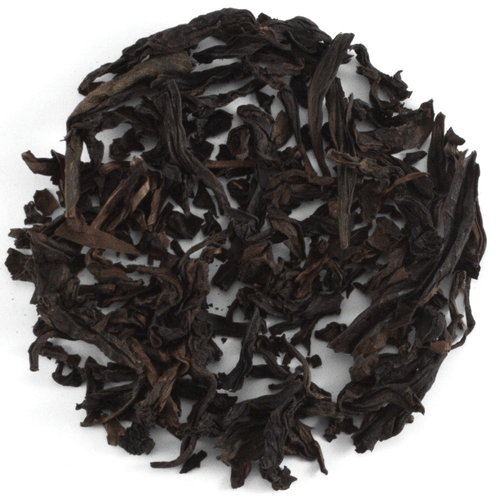
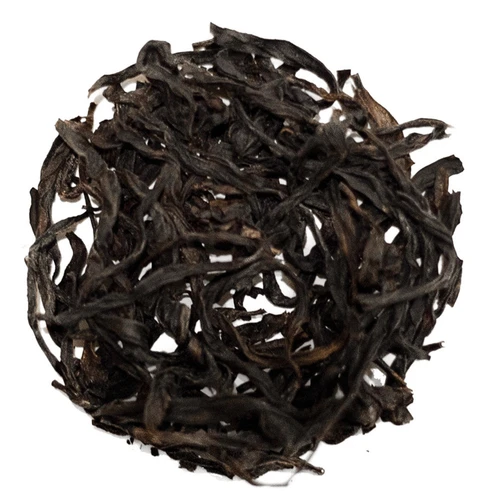
Oxidation starts here! After the leaves are plucked, they are withered and shaken to bruise the edges. As they react with oxygen, the edges turn red. After the desired oxidation point is reached, the leaves are fire-dried. Most oolongs are produced in China and Formosa (Taiwan). Generally, China oolongs are oxidized for a longer period, so the leaves and liquors appear closer to black teas than Formosa oolongs. Oolongs are usually whole-leaf teas.
|
|
|
Formosa Oolong
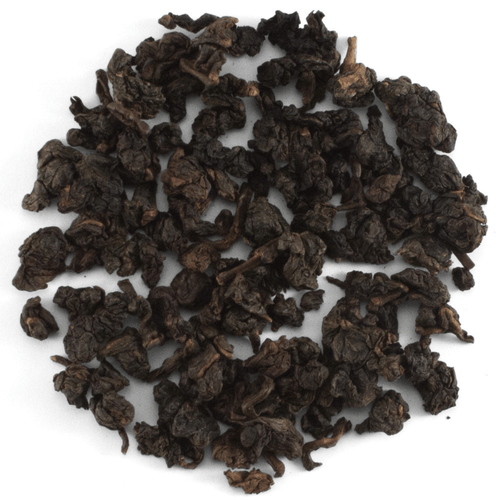
Formosa is famous for producing complex and flavorful Oolong teas. This mid-oxidized oolong is full of flavor. It is amber in the cup with a flavor that will keep your interest.
More...
|
|
Jade Oolong
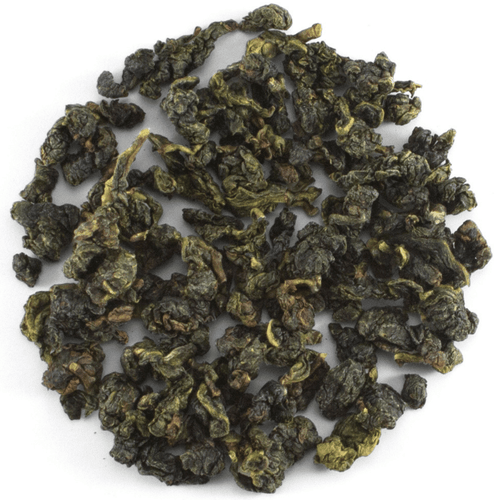
This tea lives in two worlds. Its short oxidation period means that it retains some green tea flavor, but it has a Taiwan oolong's solid, appealing lilac aroma.
More...
|
|
|
Ti Kuan Yin
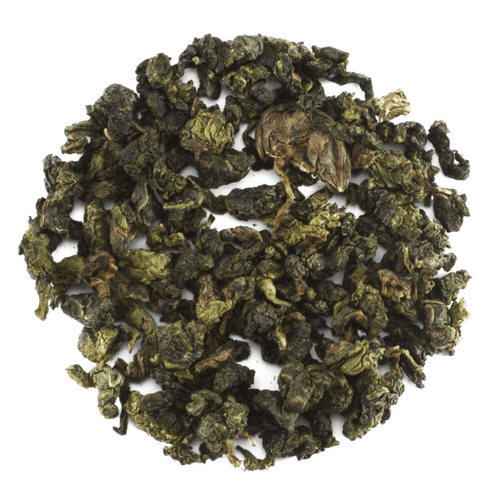
Further oxidized than the Jade Oolong, this Ti Kuan Yin has a more steely-colored dry leaf. As it unfurls, the evidence of oxidation is visible on the leaf edge. Highly-prized for its flavor and longevity, Ti Kuan Yin will yield four or more infusions.
More...
|
|
Rou Gui Rock Tea, Oolong
"Rou" means meat, which is an extravagance in the peasant society. Gui translates to cinnamon, or bark which gives some hints to the aroma. This lavish tea brews very smooth, with a fragrance that eludes easy description. The
cinnamon hint in this oolong tea is a naturaly flavor of the plant.
More...
|
|
|
Dark Goddess Oolong
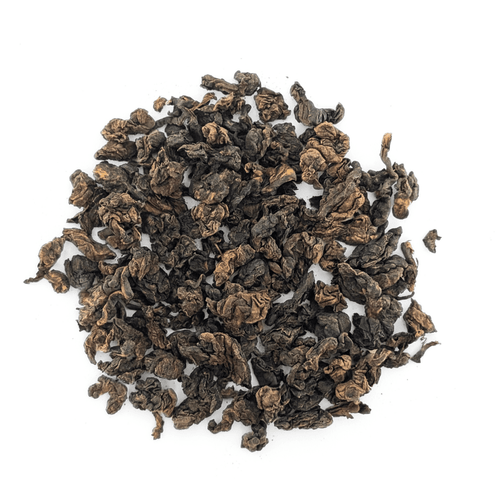
And now for something completely different! The Dark Goddess has brought together Chinese oolong methods and tea from an area outside Darjeeling to create a number of interesting characteristics. From the chocolaty aroma of the dry leaf to the roasted coffee flavor, Dark Goddess Oolong is not a typical tea by any means.
More...
|
|
Tung Ting Oolong
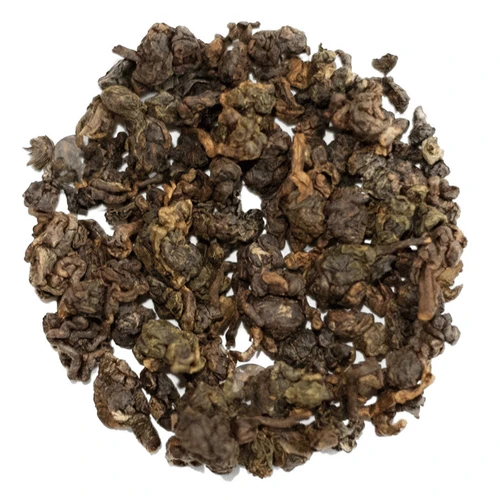
From the central mountains of Taiwan, this oolong is partially oxidized to give a full floral taste. Tightly rolled, you will enjoy several infusions.
More...
|
|
|
Tung Ting Oolong Charcoal Roasted
Our traditional oolong is given to an artisan and is roasted using fruitwood to yield a caramelized sweetness. A rare find indeed!
More...
|
|
Ginseng Oolong
We first discovered this classic oolong at a Gong Fu Chinese tea ceremony. Multiple infusions change drramatically as the
ginseng is prominent at first, then the oolong tea comes forth in later cups.
More...
|
|
|
Site design by